Why do we become attached to fictional characters?

The role of empathy in connecting with characters

I’ve previously written about the role of theory of mind in storytelling. This is our ability to put ourselves in someone else’s shoes, to understand their perspective even when it’s different from our own, and use that understanding to explain and predict their behaviour. Using theory of mind allows us to gain new insight into how other people, or society at large, think and feel.

Another related concept, which also influences our social and emotional connection with a story, is empathy. When we empathise with someone, we recognize and understand their emotions, we feel what they feel, and that ability is used when we read stories as well.

There have been various research studies showing that stories with emotional content, or a need to infer a character’s emotions or intent, leads to the activation of similar brain areas as experienced emotion (AbdulSabar et al, 2014; Berthoz et al, 2002; Ferstl et al, 2014; Gallagher et al, 2000). When we read, watch or listen to a story, this can trigger genuine feelings in us as we read it, which will then strengthen our engagement with the narrative.

A low risk relationship

The result of this emotional response to stories is that we can start to feel a connection to the characters within a narrative. This connection can build into what psychologists call a parasocial relationship. This term was originally coined to describe relationships where one person extends emotional energy and interest in a persona, such as a celebrity or media influencer, who isn’t aware of their existence, but it has been extended over time to include a figure who doesn’t exist, like a book or movie character. Our brains are so inclined to build these social connections that we become invested in the future of someone who can never actually reciprocate.

In some ways though, that lack of reciprocity makes it easier to invest in a connection. When we show that we care for a real person, we expect something in return – whether that be rejection or acceptance. When we enter into a friendship or a relationship, there are regular tests of that connection and a need to work to maintain it. Sometimes friendships drift apart or end badly;  we can feel like the effort wasn’t worth it or we can be broken-hearted by the loss.

But when we feel attached to fictional character, none of that matters. There are no real life expectations to meet and we can root for their success with no impact on our day to day lives. If they’re a character in a romance, we can imagine living in their world, without having to move on to the reality of a relationship, where managing the bills and the household chores take precedence over the giddy rush of falling in love. If they’re a character in an adventure story, we can imagine taking risks and facing danger, without ever leaving the safety of our home. The characters will never reject us or judge us and we’re always able to go back to the narrative that we fell in love with. They are safe and predictable in the emotions that they make us feel.

Why do we like certain characters more than others?

Our favourite characters are as unique to us as our own personalities, though the most popular characters often have traits that appeal to a wide range of people. Often the characters we like resonate with something about ourselves or our lives. They might have traits that we value and want to emulate, like the superheroes of the MCU; they might behave or think in the ways we look for in a partner, as with many of the love interests in romance stories. Or, they might be villains that we feel empathy for because we understand their point of view or sympathise with the circumstances that led them to their behaviour, such as with Frankenstein’s monster.

When I first read Terry Pratchett’s Discworld series, I fell a bit in love with Sam Vimes. He was a middle aged guard in the city of Ankh-Morpork, who had become disillusioned by his corrupt home and turned to alcohol to manage his feelings. Over the course of the books, he was inspired to turn things around and work to build a real police force, but he never lost his gruff edge. There was something about the way he wanted to do good and succeeded in his own way that just really appealed to me. No heroics or super powers, just a determination to catch the bad guys and do it by the book.

Another character I’ve always loved is Edward Elric from the Full Metal Alchemist manga series. He and his brother lost their mother and tried to bring her back to life. They failed and instead Ed lost his arm and leg, while his brother lost his whole body. Ed was determined to restore his brother, always looking out for him and never as concerned for his own loss, but he also had a strong moral code and was horrified in their journey at the damage others were willing to do for their own self interest. While his brother was always his priority, Ed was also willing to put himself at risk to help others – ultimately making a big sacrifice in order to save the world and his brother.

I also don’t feel like I can talk about famous characters without bringing up the Harry Potter series, but for the topic at hand, I would argue that Severus Snape is the most memorable character of these books. Some would say that he was poorly written: a cowardly bully who we were supposed to forgive because he helped Harry in the end. Others see him as a misunderstood hero, who sacrificed his reputation for the sake of the greater good. The different view points are what keeps him in our minds – the scenes with him standing out over others as we analyse his behaviour for signs of his underlying intent. This engagement with trying to understand his point of view is what builds our connection with him, even if our conclusion is that we dislike him!

How to create a character that readers connect with

There’s no perfect mix of traits that will make a reader feel attached to a character, just like there is no person who can be friends with everyone. Aspects that appeal to one reader may put another off entirely. But there is one thing that’s likely to help: keeping the reader guessing.

The biggest thing that engages a reader is needing to pay attention to details within the narrative. The more the character makes us think, the more we try to make use of theory of mind and empathy. This can be done either through individual scenes or through the narrative itself.

Most writers are aware of the guidance to ‘show, not tell’ and there’s a good reason for this. Being told that character is scared doesn’t tend to elicit emotion on its own, because it doesn’t give us the contextual clues that we use to make sense of emotions, and it doesn’t make us actively engage with what’s happening.

Take this quote from The Big Sleep by Raymond Chandler:

She slammed her glass down so hard that it slopped over on an ivory cushion. She swung her legs to the floor and stood up with her eyes sparking fire and her nostrils wide.

We as readers are forced to picture and interpret the character’s behaviour, activating similar brain areas as if she was in the room with us. This means that we’re more likely to ‘feel’ her anger as we read the book, even though the word anger isn’t used in the text.

The Big Sleep is a crime novel, so the narrative has characters double-crossing each other and revealing secrets, keeping the reader guessing along the way. But mystery within the narrative doesn’t have to be as integral to the story as that. It could be that the character doesn’t show their feelings right away, or they hint at a backstory that’s later revealed in detail. It could be that they go through a journey, developing their confidence or power or changing their perspective on the world, and the reader becomes compelled to see how their journey ends.

The most memorable characters make us work to understand them or connect with them. Their words or actions trigger those brain areas involved in theory of mind or empathy as we try to explain and predict their behaviour. If a character is part of a story arc that arouses our curiosity and they’re written in a way that ‘shows’ us their feelings, then readers are far more likely to connect with them, meaning that they’ll be remembered even after the story is over.

 About The Author
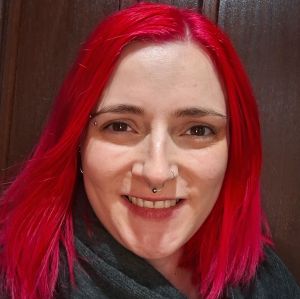
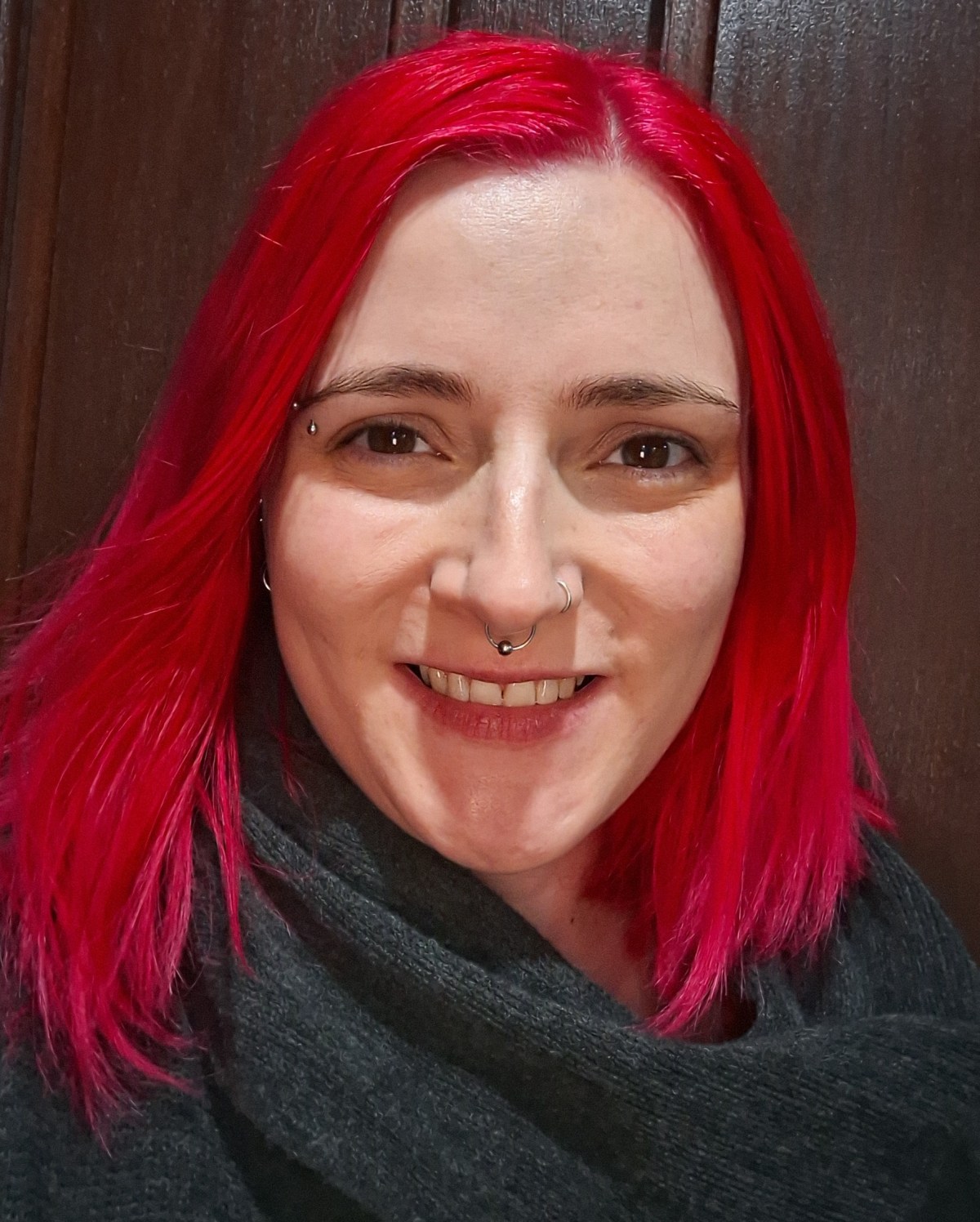
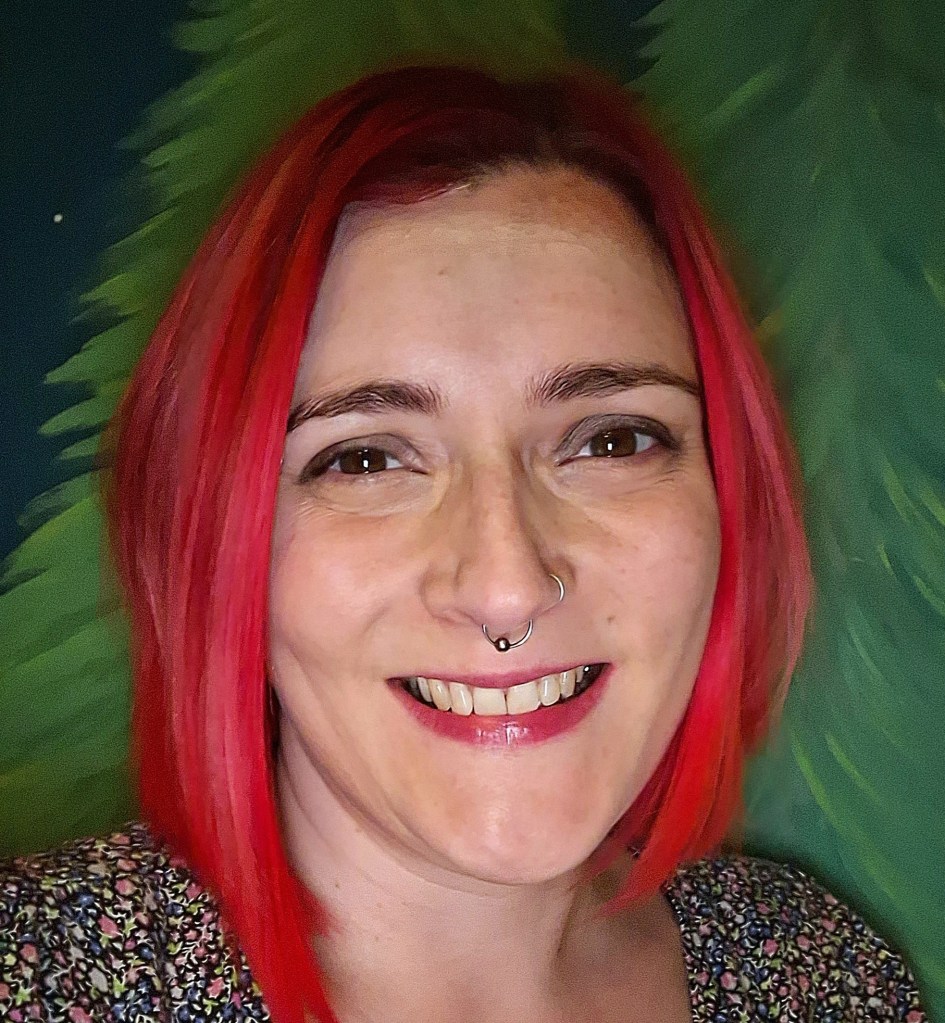
Caroline Ashley Author with red hair

Caroline Ashley is a clinical psychologist who works for the NHS in Scotland. She writes monthly articles on her website about the different aspects of psychology that relate to telling stories. She is also a fantasy writer and is currently working on completing her first novel. If Caroline had any spare time around work, writing and raising her two young children, she would spend it playing board games.

Navigation


Lost in the world of novel writing

I realised that it’s been a while since I posted on my personal blog. Things have been relatively quiet here. I haven’t entered many contests and there’s not been any new publications to update about. However, I did get the good news last week that I had received an honourable mention in the L Ron Hubbard Writers of the Future contest for the second quarter of 2024. This is a well-known international contest, so being recognised for my work is a big confidence boost!

Otherwise, I have mostly been working away at completing my novel.

Tentatively titled “Battle Scars”, it’s the story of a woman named Rebecca Mason. She nearly died five years ago when a man named Rafe McKendrick brutally attacked her. His twin brother, Erik, saved her by turning her into a werewolf and Rafe was exiled from his pack. Rebecca struggles every day to reconcile her human life with the supernatural world. And then one day, Rafe comes back, and he’s threatening not just her but her new found pack and all of werewolf society. Does she have the strength to stand against the man who nearly killed her?

The novel is now written and one of my lovely fellow writers is reading it to give me feedback. There’s bound to still be plenty of editing to do but having a finished novel feels almost within reach!

On top of that, I’m also working on the sequel, which has a different point of view character. A gamble maybe, because I know people like having a single protagonist to follow, but it feels the right thing for the series I want to tell, so hopefully it works once it’s written! My aim for this book in terms of writing skills is to improve my efficiency, getting it written within a faster timescale by doing more planning at the beginning instead of just pantsing my way through it 🙈 If I can write faster, I’ll be able to get more books written in the long run so it’s definitely worth making myself more organised!

Look out for another Storytelling blog post, which I will try to get completed this week if I can pull my focus away from the novel writing 😊

Navigation

The Kelpie

My short story the Kelpie has recently been published by Elixir Verse Press in their inaugural issue – Elixir Verse Equinox: Terra Verses.

This issue has a great selection of stories all celebrating the magic of the earth and those who live on it. It includes a poem called Who Haunts Lonely Roads by Charlotte Amelia Poe, British author of How To Be Autistic. And a short story called All True Love Is Sacrifice by Maggie Nerz Iribarne, about a woman and her non-verbal son finding hope when they visit the fairies in Ireland. I also enjoyed Christopher R. Muscato‘s story, The Seven Sages of Grief, which explores a woman coming to terms with the loss of her sister.

I’ve made my story available for free here on my website, to give you a taste of the work within Terra Verses. There are many more beautiful pieces in this issue, so do please consider buying it if the concept captures your interest. Anthologies such as these survive through people contributing by purchasing when they can and telling other people about the stories they’ve enjoyed.

In other news, another story of mine, called They Do Not Know The Earth, will soon be published in Issue 3 of the Hooghly Review. This will be freely available so watch this space for another great collection of stories.

Navigation:

Take Me Home

My latest publication is out now! Take Me Home is a flash fiction piece about the moments we lose as time passes and that desire to recapture that feeling of being “home”.

It’s been published in the 4th issue of Raw Lit Mag, which has some great stories about some of the hard realities of life and how we deal with them. Big thanks to the editor, Delphine Gauthier-Georgakopoulos, for all her time spent pulling this issue together ❤️

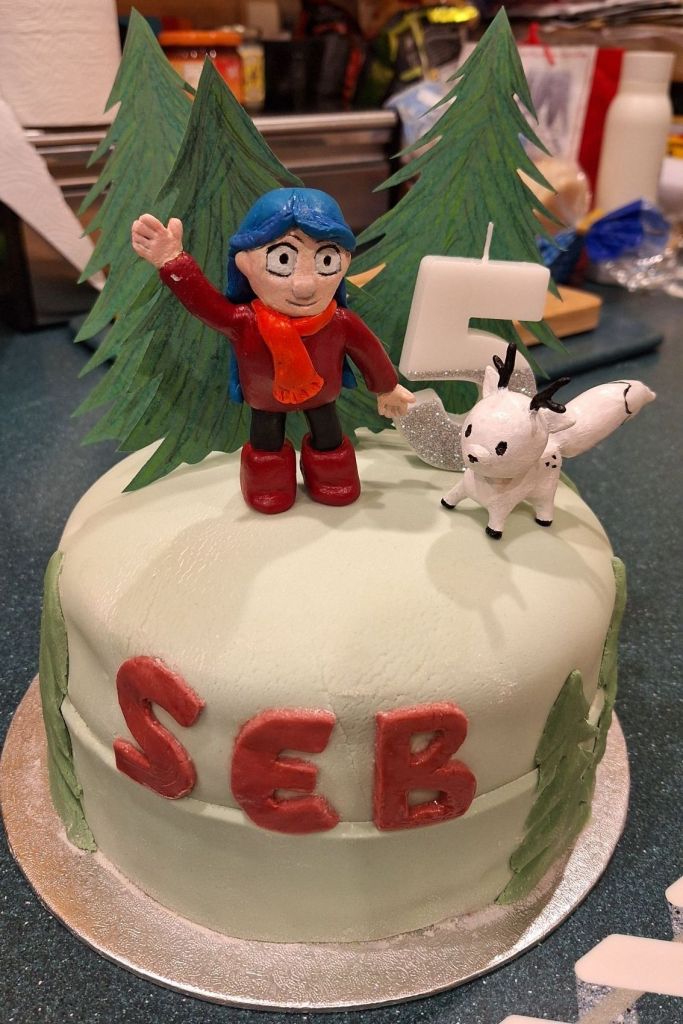
On the related note of moments that we want to hold onto, my son turned five yesterday. We had a small party with friends and family and he seemed to have a wonderful time. He requested a cake themed around a Netflix TV show called Hilda that we’ve been watching together as a family. It’s a lovely show, based on a comic book by Luke Pearson, about a girl who goes off on adventures in a world where magical creatures like elves, trolls, nisse and fairies all exist. Exactly the kind of story I love! I would highly recommend it even if you don’t have children.

The result of evenings slaving away making clay figures for my son’s cake 🎂

Finalist for author of the year

After being Spillwords Author of the Month in October, I’m now a nominee for their Author of the Year award! 😊

There’s something about the possibility of being Author of the Year that sounds vastly more impressive than Author of the Month, like I’ve not just stumbled upon a good story but that I might actually be a consistently good writer 😮

If you enjoy my writing and you’re part of the Spillwords community, please do take the time to vote. Fiction writing can be a bit of a thankless hobby, with rejections appearing in your inbox far more frequently than anyone would like, so I’m sure that every single author nominated for Spillwords’s awards will be thankful for you taking the time to consider their work.

In addition to this, back in January, I was Author of the Month on Fifty Word Stories and they’re also about to announce their Author of the Year for 2023. There’s no option to vote because the decision rests with the editor, but if you would like to read the best of their microfiction in 2023, or if you missed my story the first time round, they’ve posted links to all the shortlisted stories in their news feed: 2023 Finalists Do give my story a wee like on the page if you enjoy it!

Navigation:

Under The Skin

I seem to have lots to update all at once this month!

Wicked Shadow Press have published my horror flash fiction story Under the Skin in their latest anthology: Flash of the Dead: Requiem.

My story is now available for you to read for free on my website but if you enjoy it and would like to peruse the 87 other chilling horror works in their anthology, then you can follow the above link to purchase their anthology in epub format. Anthologies such as these survive through people contributing by purchasing when they can and telling other people about the stories they’ve enjoyed, so please do consider supporting them if you’re able to and are interested in the stories inside.

Under the Skin is about domestic abuse, so may not be for everyone. It’s about all the repressed emotions that come from spending your life trying to make yourself fit with someone else’s view of who you should be. These emotions can build beneath the surface and threaten to spill out in ways that we can’t control.

Let me know what you think!

Navigation:

The Rise of Nilcaro Syndrome

My horror story The Rise of Nilcaro Syndrome has been published in Issue 94 of Blood Moon Rising Magazine. This issue is available to view for free until next month, after which you’ll need to purchase it in their store if you’d like to read it.

In case horror isn’t really your thing, but you’d still like to read my story in particular, I’ve also uploaded it to my website: The Rise of Nilcaro Syndrome

This story is about a pandemic of flesh eating humans, from the perspective of a teenage boy living in Glasgow. It is a bit gory in places, but it’s mostly a story about how Johnny and his family react to the pandemic as it spreads across their community.

I should be posting details of another published horror story later on this week, so be on the look out for the next update!

Navigation:

The End of George Square

Writing George Square started as a way to get myself back into regularly writing fiction. It was intended to be a novella that I would finish before I went back to work after maternity leave with my daughter. Instead, it turned into a 69,000 word novel with characters that I would love to explore more. Though, rest assured, George Square is a standalone story, with no cliffhangers waiting at the end!

After I started writing George Square, I began to enter short story contests, paid for a story writing course and have had several pieces of short fiction published. My writing ability has hugely improved in the last two years, so I’m sure that there’s a lot of editing to be done with the earlier chapters and the story as a whole. The editing will begin later this year after I finish editing the adult fantasy novel that I wrote a decade ago and hope to start querying with agents this year. Wish me luck!

So, it is with sadness that I say goodbye to Matthias, Esther, Griff and the others in this last chapter, but I look forward to going back and making their story even better! ☺️

Navigation:

Merry Christmas!

Spillwords have published a Christmas story of mine called Fireside Memories. This was one of the first short stories I wrote after getting back into writing in early 2022, submitted to a Globe Soup contest to the theme of ‘an unlikely friendship’. I liked the idea of making the story about a man and ‘man’s best friend’, except in a world where that isn’t entirely the case any more. I’ve edited it a lot since the original draft and I also made it Christmassy for the submissions call with Spillwords, so it is a bit different from the first version. I’ve had some lovely feedback from other writers since it’s been published, which is a great little gift right before Christmas.

Finally, today I’ve uploaded another blog post, this time about using Aristotle’s rhetorical appeals (logos, ethos and pathos) in writing fiction. This is an example of The Rule of Three in action – Aristotle separates quite a few of his concepts into three parts, likely because he knew the rhetorical power of things that come in threes. His writing was clearly effective, given that we’re still talking about him more than two thousand years later!

This is my last post of 2023 so all that’s left is to thank you for following my blog this year and I hope you continue to enjoy my work next year. See you in 2024! 🥳

Navigation:

Trickster stories and why we need them

In my previous blog post The feral child archetype: stories and themes in real life and fiction, I introduced the concept of character archetypes that keep arising across different societies. Carl Jung believed that these archetypes represented elements of our psyche, coming to life within the stories that we tell each other.

Because archetypes are found in so many stories, everyone holds certain expectations about how these characters will behave when they are used in fiction. Writers can use these expectations as a tool to strengthen a narrative by using archetypes that speak to the themes that the writer is trying to convey. However, if they’re used poorly, a writer can risk their story simply sounding clichéd and derivative.

This blog post is about my favourite character archetype: The Trickster. They are the black sheep of the family; the jester in the court; the cause of the landslide falling down toward the village below. They are characters who are often morally ambiguous. If your life was made better by the trickster’s behaviour, was that intentional or just a by-product of them achieving their own goals? In folklore, tricksters aren’t the kind of gods that you welcome into your village, because you never know what chaos will follow them. You’re as likely to see your house burned to the ground as you are to see any benefit of their presence.

What is the trickster archetype?

The concept of the trickster is so endemic across society that Carl Jung listed the character as one of the archetypes that live within our collective unconscious. Jung’s Trickster is said to represent the irrational and chaotic elements of our personality. His role is to bring these elements to the surface. In doing so, he highlights the inconsistencies and humour in the lives we live.

Within folklore and mythology, the trickster character is a study in contrasts. Tricksters are rogues and thieves but they are also lovable scoundrels who bring a sense of playfulness and joy to a story. They are cunning and duplicitous but they are also often outsmarted and punished. They straddle the boundary between right and wrong, stability and chaos, and it depends on the story which side of the boundary they will fall.

Tricksters also speak to the absurdity of life. We live in a world where life inevitably leads to death; where pain and suffering are as endemic as happiness and laughter. Within stories the trickster often speaks to the unfairness of the world, but he laughs about it along the way, softening the underlying message of our lack of control over an uncaring universe.

Tricksters from myth and fiction

Tricksters can be found across the world, some more well known than others.

Loki – if you’re a fan of the MCU then you’ll already be familiar with Loki, the Norse god of mischief. Loki could change his shape and his sex. He was sometimes known to work with the gods and at other times he worked against them, the definition of disorder within Norse mythology. He frequently uses his cunning to solve problems for the gods, though on several occasions he had caused the problem in the first place. He becomes increasingly antagonistic toward the gods, eventually being bound and tortured until Ragnarok, when he would escape and contribute to their defeat and the rebirth of the world.

Maui – A Polynesian folk hero who was brought into mainstream awareness when he featured in Moana. Maui’s stories were told across most of Polynesia: he was known for bringing fire to humankind; pulling the islands from the ocean with his hook; and slowing down the movement of the sun. Maui’s stories frequently have him outwitting the gods to change the world for the betterment of humankind.

Anansi – the spider trickster of West African myth, Anansi is a crafty trickster who can fool humans, animals and gods alike, generally for the purpose of making his life easier and others’ lives more difficult. Legends say he helped give humankind the sun, moon and rain, as well as writing and agriculture.

Coyote – across Native American myth, several animals have trickster stories associated with them, including Raven, Bluejay, and Rabbit, but the most well known is Coyote. Not all Coyote stories agree with each other, but they all speak about a similar character. Coyote is known for such things as impatiently tossing the stars into the sky to form the milky way and making death permanent because he believed there wasn’t enough food for everyone to live forever.

Eris – the Greek goddess of discord. She is most well-known for starting a fight between the other goddesses after she wasn’t invited to a wedding, which ultimately led to the Trojan war.

Matilda – a child-friendly trickster story of a clever girl with special powers who uses her cunning to play pranks on the abusive adults around her. Their crimes are found out and she ends up living a happy life with her teacher.

Jack Sparrow – in Pirates of the Caribbean, Jack Sparrow takes on the role of a trickster. He is a cunning character who cares only for his own self interest. He helps others when it benefits his goals and he always seems to escape any significant consequences for his actions.

Deadpool – the fourth-wall breaking anti-hero of the Marvel Universe, Deadpool often sits on the edge of good versus bad, his actions generally driven by his own impulsive urges rather than any long term plan. He has a regenerative healing factor so he throws himself into danger, with little need to care about the consequences. Deadpool often speaks to the audience in his stories, cracking jokes and making fun of the narrative as well as the wider comic universe.

The features of a trickster

There are certain features that tend to define tricksters across the world:

Their motives are ambiguous or fickle

Often they make impulsive choices based on their own needs and wants, and it’s never clear how much they intend to help or hinder those around them. In African myth, Anansi decided that he wanted to become wise, so he gathered a bit of wisdom from everyone in the village, storing it in a gourd. He tried to climb a tree to hide his wisdom with the gourd on his belt. When his son saw Anansi struggling, he suggested wearing it on his back. Anansi realised that even with all that wisdom, his son was still wiser than him, so he cast the contents of the gourd away, thus spreading wisdom all across the world.

They play tricks

Tricksters are cunning and devious. Their stories often involve them manipulating those around them, sometimes to meet their own needs, sometimes to make fun of their victims and knock them down a peg or two. Esu, an African god, once intervened when two farmers promised never to argue. He wore a hat which was black on one side and white on another and after causing the farmers to argue over the colour, then turns it inside out and tells them it’s red. There is a Coyote story where he goes to the Frog People, who hold control of all the water. Coyote doesn’t like this, so he asks for a drink, which they allow, but while his head is under the water he makes a hole in the dam, allowing the other animals to drink freely and creating all the rivers and waterfalls.

They are masters of disguise

Some tricksters, like Loki, are shape-shifters who change form to trick those around them. Others, like Coyote, might use disguises to hide who they are.

Messenger and antagonist of the gods

Tricksters often have a close connection with the gods but whether they help or hinder them very much depends on the trickster’s mood during that particular story. Take Loki, for example, in one story he cuts off the goddess Sif’s golden hair as a prank but when he is caught, he travels to the dwarves and lavishes them in praise and false promises so that they will produce a cap of golden hair to replace it.

Their actions disrupt the status quo

Often after a trickster story, something about the situation they were in has fundamentally changed, like fire being stolen from the gods by Maui, Prometheus or Coyote; or wisdom being shared with humanity by Anansi. There is a story in Norse mythology where Loki causes the death of Baldur, a god of light and purity, known for his kindness and wisdom. There was a prophecy about Baldur’s death and his mother tried to avoid it by making every entity vow not to harm him. She didn’t ask mistletoe though, and when Loki heard this he tricked Baldur’s brother into firing a mistletoe arrow and killing Balder. Baldur’s death, the death of light and truth, is the first step towards Ragnarok, where the world will be destroyed, to rise again renewed and cleansed.

What are the themes in trickster stories?

Even the smallest among us can change the world

One example of trickster stories being used to inspire comes from Anansi. With the rise of the slave trade, Anansi became a symbol of slave resistance – the representation of a strategy to turn the tides on powerful oppressors. Anansi’s stories were also a connection to their African heritage and a means of retaining their identity. By telling stories about a character who could shape the world despite not being powerful, slaves were able to hold on to a small piece of their agency in a time when their slavers sought to take it from them.

Those in charge aren’t always right

Trickster stories tell us that conforming to society’s rules isn’t always the best thing to do. By breaking the rules and challenging authority, sometimes we can create a better world to live in.

You don’t have to conform to be happy

tricksters throughout the world stand out from the crowd in various ways. They change shape; they’re promiscuous; they’re impulsive; they don’t think about the consequences of their actions. And yet, they are generally happy characters. They are content in who they are and find power in being different, often actually looking down on those who do try to conform to the rules and boundaries that the trickster is often breaking.

There is a cost to challenging authority

Trickster stories also warn us of the consequences of being the one who challenges the status quo. Even when tricksters succeed at their goal, they can be ostracised or punished for their actions by the gods, animals or people they have tricked. Maui dies trying to achieve immortality; Loki is tortured until Ragnarok; Prometheus is cursed to have his liver perpetually eaten by an eagle. There is a freedom to acting on your impulses, to doing as you please and having no respect for authority, but it also makes you an outsider. People generally don’t like change and they may not thank the person who causes it.

Are tricksters still relevant today?

Here in the 21st century, there is still a need for someone who helps us to find our voice within the crowd. In the public sphere, there are debates over transgender rights and we question what it truly means to be a man or a woman – or whether the distinction is even necessary. This is something that trickster stories have been touching on for centuries. Many tricksters are male but they are often shown to be comfortable in female form (Loki, in fact, while generally presented as male, is also a mother to the eight-legged horse Sleipnir). This crossing of the boundary between male and female showed that societal expectations for men and women were as subject to challenge by the trickster as any other boundary and no more static than any other aspect of society. In this modern world where gender definitions and expectations are increasingly varied, perhaps a trickster, who has no concern for gender or for societal expectations of sexuality, is the kind of character who might speak most strongly to those trying to work out how they slot into society.

The same might be true for neurodiversity. We are more aware of neurodiversity than ever before and diagnoses of ADHD and ASD are at an all time high, but what those labels mean in terms of who we are and how we fit in the world is still unclear for a lot of people. The tricksters can be impulsive, hyperactive, unconcerned with social niceties, more concerned with their own agenda than anyone else’s and often live on the edge of society. They are the odd ones out and they don’t care, because they are comfortable with who they are. Characters who show us how to be confident may lead the way in helping us find confidence for ourselves.

Linking back to Jung’s theories, there are parts of the trickster archetype in all of us. The trickster inside demands that we rail against discrimination; that we challenge those in authority to accept our differences and to move with the times; that we give into our impulses and just do as we please. But the trickster also knows what it costs to take on that role and that society at large will not always accept difference – it takes a level of bravery, and sometimes foolishness too, to not care what others think.

In the end, we write stories about tricksters to help us to reconcile those two sides of the coin – characteristics of the trickster are necessary to prevent our society from stagnating, but they are also to be feared, because who knows what the consequences of those actions might be?

Navigation:

Previous post: Using simile and metaphor to write effective stories

Storytelling Blog home page

Published Work

George Square


About the author

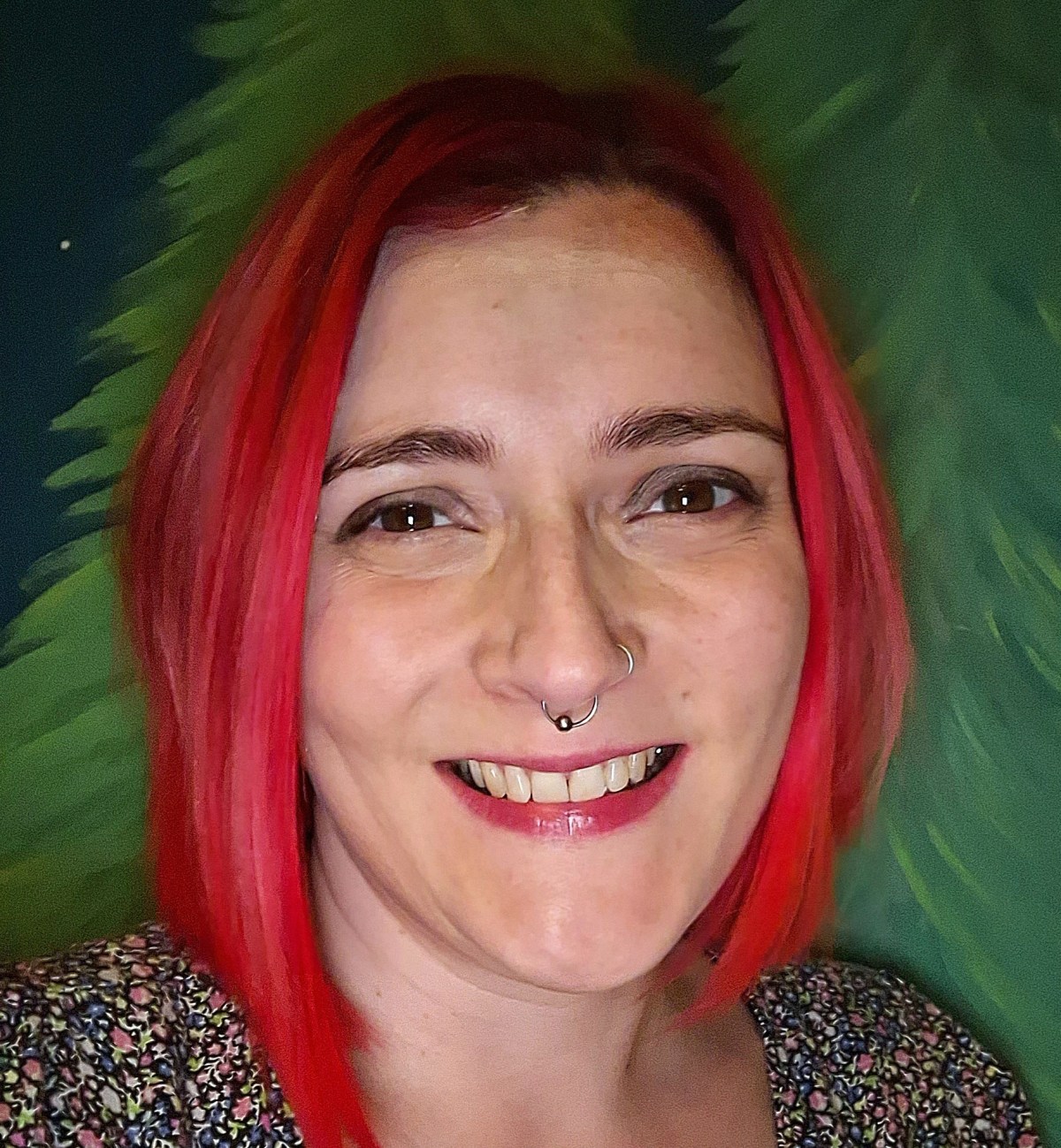
Caroline Ashley author red hair

Caroline Ashley is a clinical psychologist who works for the NHS in Scotland. She loves fantasy in all forms and is fascinated by the ways in which the fantasical can speak to our everyday lives.