Spillwords have published an interview with me that you are welcome to read on their website. They also published a shorter interview that I had completed before becoming author of the month, but which actually came out a week or so afterwards. I’m not really one for chatting much about myself, but I guess if I want to eventually sell my writing, part of that will involve sharing some of myself with my audience. Thank you to Spillwords for pushing me out of my comfort zone! 🙈
Globe Soup also announced the winners and finalists for their 2023 open contest at the beginning of the month. My story made it into a finalist place, which was amazing and another huge boost to my confidence as a writer, but also makes me feel a bit of a bridesmaid – when do I get to be the one who takes home the prize? 🤣 That said, the winners were very well written and their prizes well-deserved, so if you’re looking for something short to read, you can’t go wrong with checking them out 😊
In terms of my plan for the next few weeks, I should be posting my next Storytelling blog post within the week. Wish me luck!
When I started trying to get my work published online, Spillwords was one of the first places to accept a short story of mine for their website. This month I’ve been nominated as their author of the month for October 2023!
I’m never usually someone who wins popularity contests, being the introverted nerd that I am, so I’m very proud that my work has inspired people to vote for me 😊 If you haven’t read my stories on Spillwords, you can find them on my Spillwords author page.
I’ve just finished a long month or so of writing short stories for the Globe Soup genre smash followed by pulling another story together for the Commonwealth Short Story prize. My brain now feels like mince 😅 But despite that, I’m about to start working on the final chapters of George Square – started when my 19 month old wasn’t even born yet, I’m excited to get to the finale. There are already things that I’m desperate to edit but overall I’m really happy with what I’ve managed to accomplish. ❤️
I’ve fallen a bit behind on my updates so this is a couple of days out of date!
Spillwords have published a micro fiction piece of mine called The Woodsman and the Witch – a dark little story to get people in the mood for Halloween 🎃
Just a short post to say that Roi Fainéant Press have published a flash fiction story that I wrote called Defender of the Forest. It’s a story about growing up and moving on from the games of our childhood but still holding on to the stories that we told.
I originally wrote ‘Defender of the Forest’ for a submission call by Space Cat Press on the theme of ‘Into the Forest’. It wasn’t accepted but I edited it afterwards and tried elsewhere. Many thanks to Roi Fainéant Press for publishing the new improved version 😊
Spillwords are showcasing my latest story, Granny Beatson, in the featured section of their website 😊 This is the third time they’ve published one of my stories and I’m very grateful to them for their support!
This story was originally written for Globe Soup’s Open short story competition last year and received an honourable mention. One of the reasons that I enjoy the Globe Soup community is that they do take the time to recognise the top 10% who enter their contests, as it gives you that little bit of feedback that you’re on the right track and your writing might be worth sharing. I did subsequently enter this story into another contest, where it didn’t place, but that’s the joy of writing! 🤣
Granny Beatson is the story of a girl and her grandmother and how their relationship changes as she grows up and her grandmother grows older. Because it’s me, there’s also a little dash of fantasy, with a ritual to the fae that binds them over time.
It was a difficult story to write because while it wasn’t autobiographical, it did bring up memories about my relationship with my nana and how it changed as I grew from a child to a teenager and she became less able. She passed away when I was still a teenager and I do look back and wish sometimes that we could have had a relationship when I was older, wiser, and less caught up in growing up and moving away from my roots. We certainly weren’t as close in my teenage years but I do fondly remember my childhood visits and sleepovers at her house.
I hope you enjoy reading my story and maybe that it inspires you to reflect on your own childhood and your relationship with your grandparents.
Over the next few weeks I’ll be working hard to finish my entries to Globe Soup’s Genre Smash and I’m also hoping to pull something together for the Commonwealth Short Story Prize.
After around eighteen months of updating this website, I’ve made the decision to commit some money to its maintenance and now have a shiny new web domain. Upgrading my WordPress account also means no more ads, which should make reading my posts a bit more of an enjoyable experience 🙂
This past month has mostly been taken up with working on my entry for Globe Soup’s Genre Smash contest – I bought tickets for both western/horror and urban/fairy tale and I’m now in the editing stage for the former. These genres both really appealed to me so fingers crossed I can pull together something good.
In other news, I received an email that one of my stories has been longlisted for publication by Northern Gravy. This is the second story they’ve longlisted, so we’ll need to see if I get a bit further this time! Another story, ‘Granny Beatson’ has been accepted by Spillwords and should be out soon, though they haven’t confirmed a date yet – I’ll be sure to let people know once it’s out!
I have a few different short story projects I want to complete and I think George Square might end up taking the back seat unless I find myself being amazingly productive. The last time this happened though, I made up for it the following month with two chapters in close succession so this is my aim for November!
My next Storytelling blog post should be out soon – the plan is for it to be finished over the weekend so watch this space for updates.
Once again I need to come up with something to say to you all 😂
My daughter wondering what I’ve achieved this week 😅
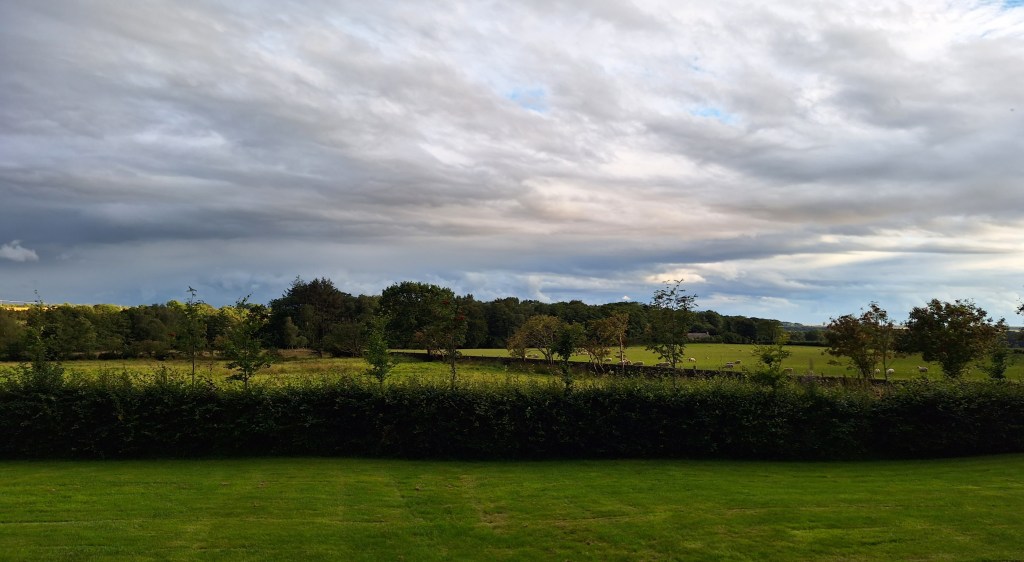
I’ve been taking a bit of a break from writing this week due to being on holiday in a wee cottage near Annan. This holiday included my 1 year old and 4 year old, so largely included play parks and food, but we did get the reward of hot tub time in the evening once the kids had been put to bed, with a lovely view over the fields.
View from our patio
From a writing point of view, I mostly spent my time this month preparing a short story for Globe Soup’s Open Contest, which you could enter if you had paid for their writing course. Admittedly, I probably haven’t read their lessons as thoroughly as I should have, but I think the story that I finished with was fairly decent – hopefully the judges agree! 🙂
Since then, I’ve been editing the latest chapter of George Square and coming up with ideas for my next Storytelling blog. I even managed to find some time to submit a few stories to online magazines – hopefully at least one will be accepted!
In good news for this month, one of my stories was a finalist in the 10th Globe Soup 7 day story writing challenge. The winning story, by Morgan McIntyre, was really good and definitely worth a read.
My story for this contest had to be historical fiction, which is not my favourite. Largely because my historical knowledge is rubbish – while I used to be good at remembering dates and names for exams in school, my brain refuses to store such details as part of my ongoing general knowledge. Thankfully, historical fiction can also include fantasy elements, so this story was basically a story about a kelpie that happened to be set during the Highland Clearances. As always, my next step is to spend months on end trying to find someone who wants to publish it, so wish me luck! 🙈
In less good but still positive news, I submitted a sci-fi story to F&SF (The Magazine of Fantasy and Science Fiction), who are a pretty big magazine if you’re into sci-fi and fantasy. They rejected my story but with a very positive email, saying that they didn’t think I would have trouble finding a home for it. A sign of further improvement in my work! Now I need to submit to other places until I find one that says yes 🙂
Feel free to check out my other published work or have a look at my Storytelling blog, about the psychology within storytelling.
(AKA my blog post is late because I was on holiday)
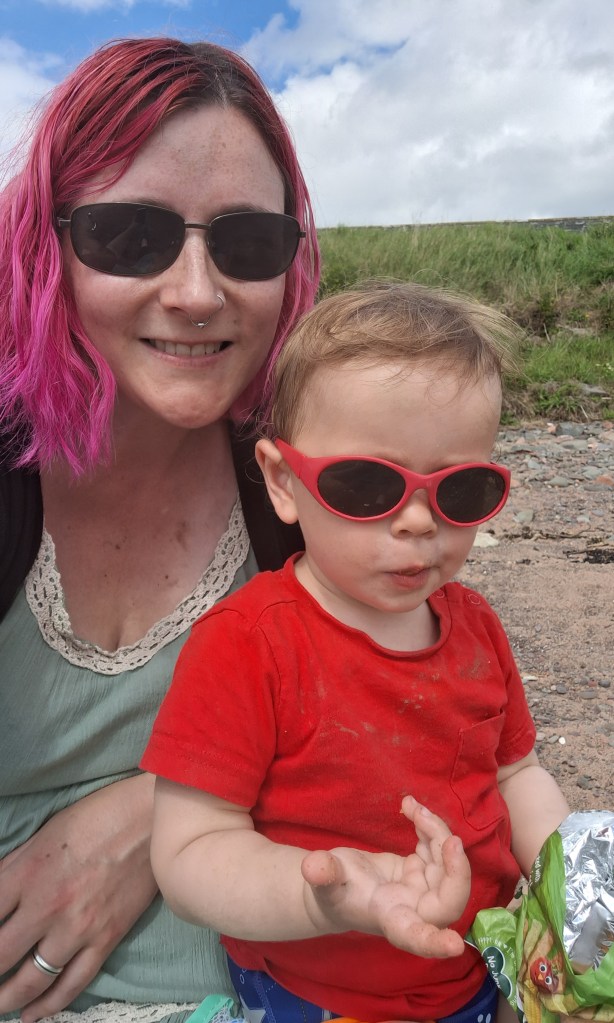
Due to having two young children, we decided to stick to the UK for our holiday this year, to save ourselves the joy of navigating an airport and a flight with our delightful, independently-minded monsters. So we spent a week in Dumfries and Galloway instead.
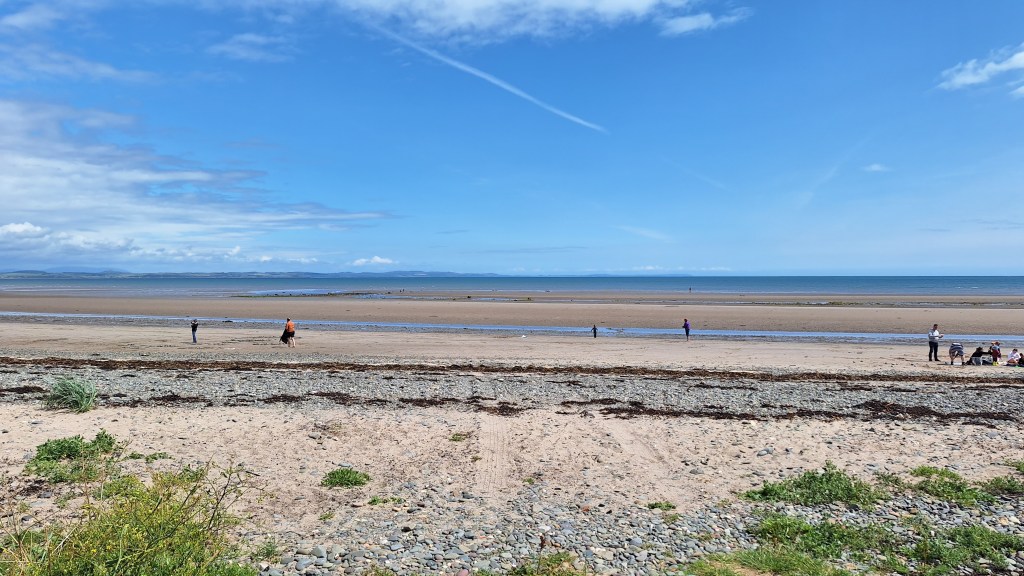
Looking at the weather forecast, we thought we were going to end up with it raining all week, but the weather gods were clearly in a good mood and granted us some lovely days (interspersed with rain of course, it is the West Coast of Scotland after all).
Sandhead Beach
I often went on holiday with my family to Dumfries and Galloway as a child, so it was a bit of a walk down memory lane too. I hadn’t visited this neck of the woods in years so it was interesting to see what had changed and what had stayed the same.
I wrote quite a lot when I was little and often went on holiday with a notepad and pencil, drafting stories while my dad fished off a pier or a beach. The idea for the world of George Square is one that I’ve been playing around with since the time of our holidays down there.
I would sit in the car, watching rows of evergreen trees fly past and imagine a castle hidden from view, where my characters all lived. I would scramble over jagged rocks, listening to the roar of the sea, and imagine some of their adventures to dangerous places, far from home.
Isle of Whithorn
But on this holiday, I mostly spent my time entertaining a 1 year old and a 4 year old, so not much actual writing was achieved. Once they were in bed, my husband and I spent our evenings relaxing in a hot tub with a glass of wine and revelling in the beauty of the countryside.
Normal activity should resume for now, though we’re taking another week away next month so we’ll see when I get the next post out!
When I started thinking about this blog, I considered the ways in which a psychologist could contribute to our understanding of storytelling. My initial thought was that most topics would relate to characters and characterisation, after all, psychology is all about people, isn’t it? But then it occurred to me that the psychology of a reader may be just as important to a successful story as the story itself. A five year old would be unimpressed by a 100 000 word tome; an avid science fiction reader likely won’t find much to engage with in a chick lit novel.
I also realised that my first blog post started with the premise that everyone already understood what a story was. And perhaps we do. Perhaps we grow up so surrounded by stories that the concept doesn’t need to be explained. But consider the example of language fluency – it is possible to be fluent in English but to not understand the difference between past perfect and past continuous, and to not be able to put into words why it doesn’t sound right for someone to be wearing a “red, old, big coat”. You might know English, but you would perhaps struggle to teach its nuances to a class of English learners. So I thought I would share some thoughts about what stories are.
How do stories begin (and end)
Generally stories are a description of people and the events that happen to them, whether real or imaginary. Stories always have a purpose. Often they are told in order to share some understanding of the world we live in. Even stories that seem to have no strong purpose, light hearted and funny, tell us something about the storyteller or the characters within the story.
But none of this tells you anything really about what a story will look like. And the thing is, we do have expectations around the form that a story will take. Generally a reader (or listener) starts a story expecting it to contain a beginning, middle and an end, although not necessarily in that order, if the storyteller is feeling particularly avant garde.
We want to know who the main character is, what the setting is, and what problem the character is facing. And most of all, we want to know how they solve the problem. We want to be taken on a journey that gives the character resolution and teaches us something along the way.
When we start a story, if there’s no real conclusion, it generally feels like we’ve wasted our time. I’m sure many Netflix subscribers have grown used to that disappointment lately and started to turn away from them as a media source – because what’s the point if they never give you a completed story?
The importance of the ending
A story without an end is a story without meaning or purpose. How can we know what lesson we were supposed to take from a narrative if the writer doesn’t give us the ending? How can we better understand who the writer is if we don’t know how they wanted their story to go? Our lives are not as easily separated into discrete entities, but we expect the stories that we tell about these lives to be compartmentalised regardless. Because in doing so, our experiences become something that we can learn from, move on from, and then share as a warning to others who might follow the same path.
The lack of ending, or lack of closure, is often a reason that people struggle after a negative life experience. We want there to be a reason. We want to know what the lesson is. We want to know how to avoid it happening again. We want our life to be a story, broken into neat chapters, each with its own purpose. The girl who’s father left her wants to be an independent woman who doesn’t need men to define her. The man who lost his job wants this to be an opportunity to build a new career. And if our lives can’t be as clearly delineated as that, the lives of our fictional protagonists should be.
Or, to think about it another way, perhaps we use these fictional narratives in order to work out how to compartmentalise the sections of our own lives. If the only narrative sense our lives really have is the one we make up in our own heads, then the more experience that we have with narratives, the better we will be at sustaining the one that defines us.
Story Archetypes
And that leads to another aspect of reader expectation – story archetypes. Literary theorist Christopher Booker posited seven story archetypes which appear across the history of human storytelling:
Rags to riches – the underdog gaining power or privilege temporarily, then finding a way to gain it back for good
The quest – a journey to obtain a certain outcome or object
Rebirth – the hero experiences an event that leads them to change their ways
Overcoming the monster – where the hero has to defeat the antagonist that threatens them
Comedy – a triumph over adverse circumstances, leading to a happy ending
Tragedy – the downfall of a hero who either has a character flaw or makes a mistake so large it leads to their undoing
Voyage and return – a journey to an unfamiliar land, where the hero learns something then comes home more knowledgeable than before
Not all stories fit neatly into these categories. Probably because trying to categorise the human experience of storytelling is akin to telling a story in itself. We bring our own unique view points to our interpretation and may not come up with the same outcome. But, this theory highlights the important point that readers have expectations. If a hero goes on a quest, we expect to know how it ends – we would be pretty annoyed if he gave up halfway through and just went home. Unless of course we were reading a Rebirth story, where the protagonist sets off, determined to kill a monster, then realises killing isn’t for him. But if you don’t set the reader’s expectations towards the right archetype, they’re still going to be disappointed with how it plays out or may disengage from the story entirely.
Stories are conversations
This leads us to the most important part of what a story is. A story is a shared experience, one that means nothing without a reader or listener to appreciate it. We tell stories to teach lessons; we tell stories to warn of danger; we tell stories to share a piece of who we are with the people around us. But none of that means anything if our story isn’t entertaining enough for someone to listen to it in the first place.
A story, ultimately, is a conversation. It is an attempt by a writer to communicate something that they believe is important, to someone that they believe might benefit from what they have to say. Without a willing reader or listener, the story might as well be screamed into the void or tossed on a fire to burn. And in return, as a reader, we want to be exposed to the narratives we expect, that give us a sense of closure and help us to in some way make sense of our own journey through life. If we cannot in some way incorporate the meaning or structure of a story into our own experience, then what was the point of the story?
Of course, there are far more facets to storytelling than just this, that could be analysed at the micro and macro level. But none of those factors mean anything if you don’t have two people, the reader and the writer, willing to communicate with each other.
*
If you’re interested in any previous Storytelling posts, you can find them here
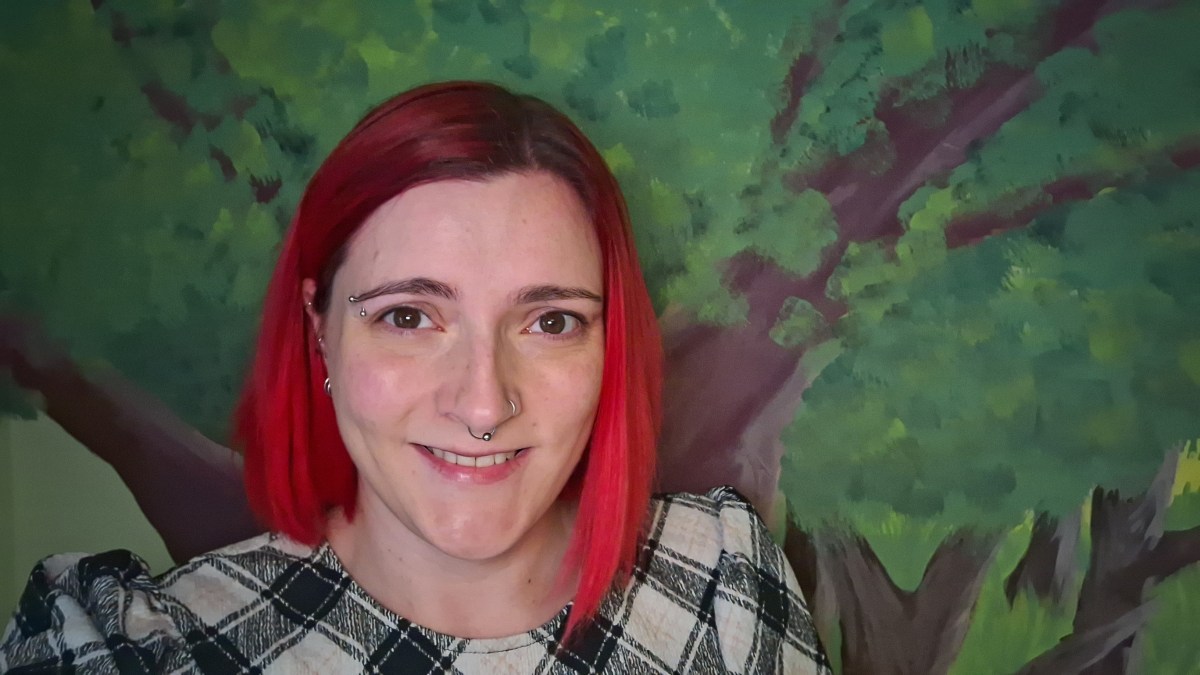
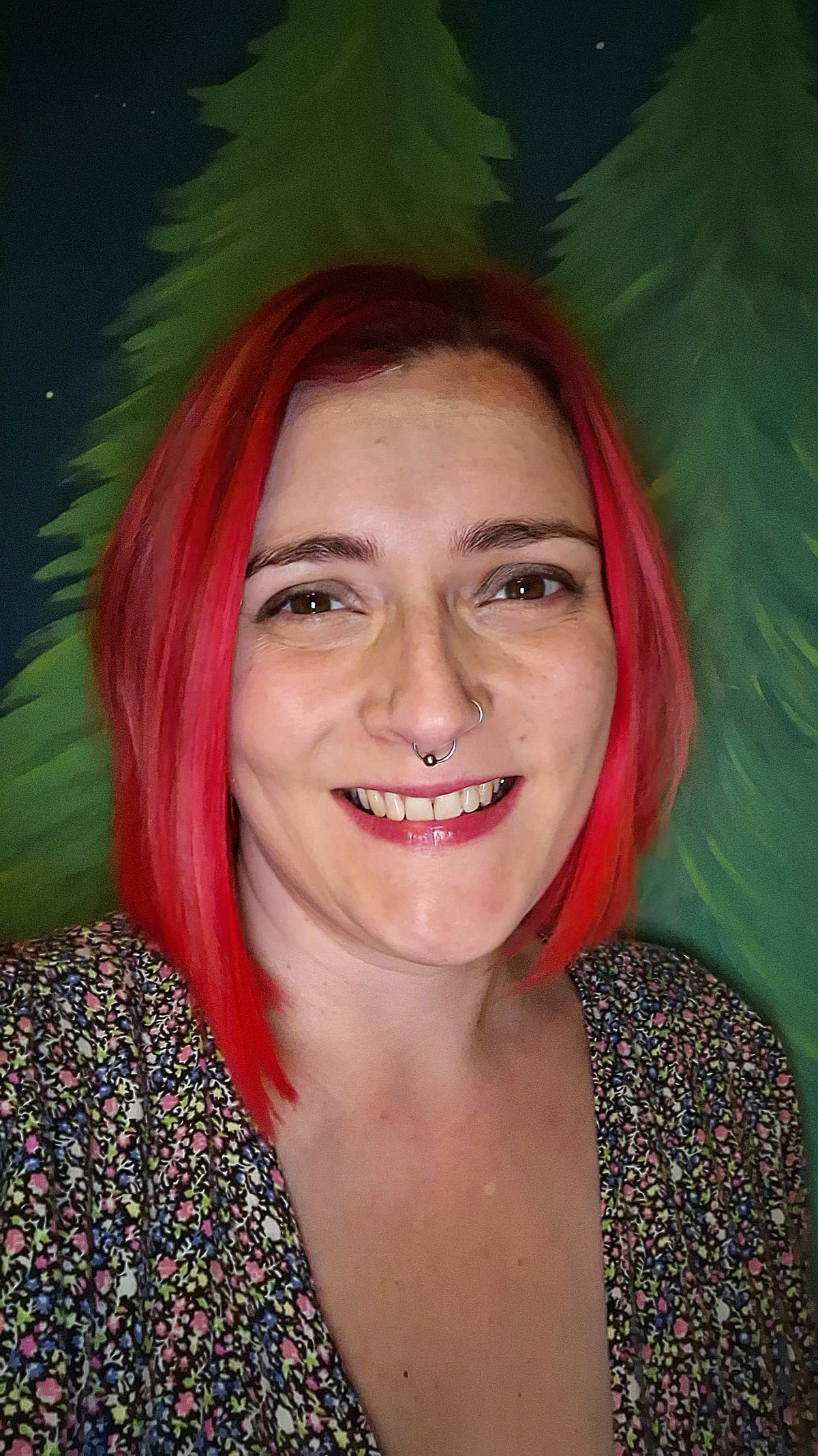
Caroline Ashley is a clinical psychologist who works for the NHS in Scotland. She is a lover of fantasy in all forms and fascinated by the ways in which the fantasical can speak to our everyday lives.




 Caroline Ashley